

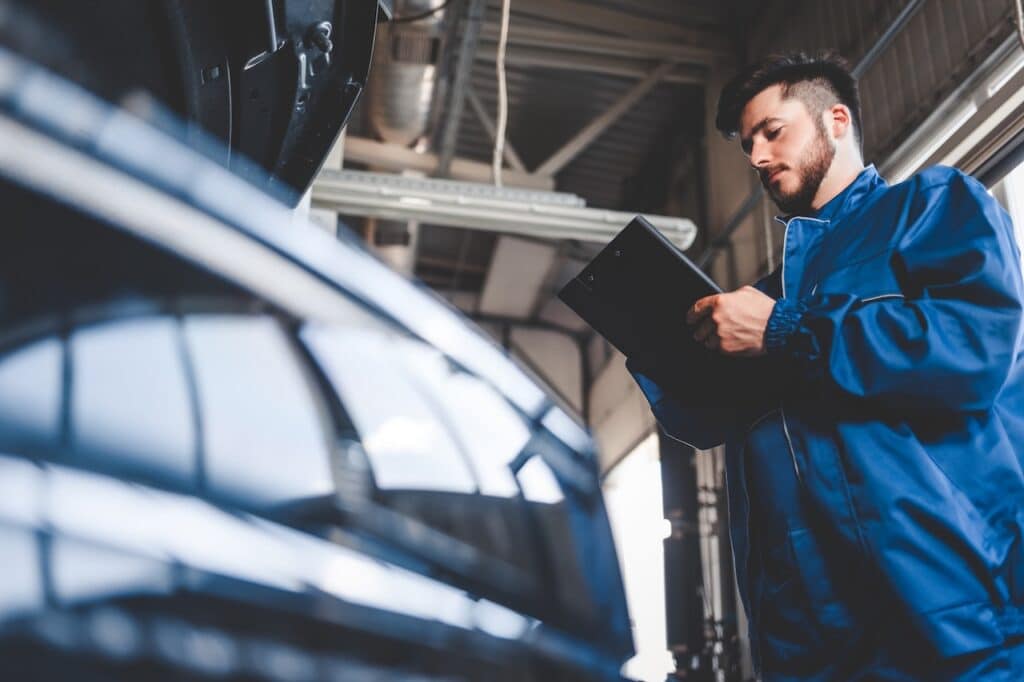
I-CAR Gold Class certification means a collision repair shop has met the industry’s highest standard for technician training, with at least one trained technician covering each of four key roles.
When your car needs collision repair, you want more than a shop that can hammer out a dent and slap on paint. You want a shop that actually understands your vehicle’s materials, safety systems, and factory specifications. One way to check for that level of expertise is to look for I-CAR certification, and more specifically, the Gold Class. Here’s what it actually means in terms of repair quality.
What Is I-CAR?
I-CAR stands for the Inter-Industry Conference on Auto Collision Repair and is a nonprofit training organization that builds coursework for collision repair technicians. These courses cover everything from welding techniques to how a modern sensor-packed bumper needs to be handled.
Shops can earn an I-CAR certification by having their staff complete this training. Think of I-CAR as the industry’s school: it sets the curriculum, and shops choose to enroll their teams to stay current with how vehicles are built today.
What Does Gold Class Actually Mean?
Gold Class is the highest role-relevant training achievement a shop can earn through I-CAR certification. It means every eligible technician role at the shop, not just one or two employees, has completed the required training for their position. To earn Gold Class, a shop must have at least one trained technician in each of four core roles:
- Estimator: assesses damage and writes the repair plan
- Non-Structural Technician: outer panels, bumpers, and bolt-on parts
- Steel Structural Technician: frame, unibody, and structural welding
- Refinish Technician: paint prep, color matching, and finish
Gold Class Has to Be Earned Every Year
Gold Class status also isn’t a one-time badge that lets shops become lazy once they earn it. Shops must renew their I-CAR certification every year, which means ongoing coursework to keep all technicians up-to-date and professional.
Advanced driver assistance systems (ADAS) training, covering the cameras and sensors behind features like automatic braking and lane-departure warnings, is now part of the standard requirements. That update reflects just how much vehicle technology has changed in recent years.
Gold Class vs. Platinum vs. OEM Certification: What’s the Difference?
| Certification | Who Earns It | What It Means |
| I-CAR Gold Class | Collision repair shops | At least one technician trained in each of the four core roles, earned annually |
| I-CAR Platinum | Individual technicians | A technician has completed all required coursework for their specific role, the highest individual achievement under I-CAR |
| OEM Certification | Collision repair shops | A specific automaker (like Ford, Honda, or Tesla) has verified the shop’s tools, equipment, and training meet that brand’s repair standards |
How Gold Class Training Shows Up in Your Repair
Gold Class training isn’t just a certificate on the wall. It shapes how your vehicle is actually handled from the moment it enters the shop.
A More Complete Estimate
A trained estimator knows what to look for beyond the visible damage, including hidden structural issues or ADAS components that may need recalibration. That means fewer surprises and change orders once repairs are already underway.
Repairs That Match Your Vehicle’s Materials
Modern vehicles use a mix of steel, aluminum, and high-strength alloys, each requiring different repair methods. A Gold Class shop’s technicians are trained to recognize these materials and treat them accordingly, instead of using a one-size-fits-all approach.
Structural Repairs Done to Factory Procedures
Structural technicians trained through I-CAR certification follow manufacturer-specific repair procedures, not just general industry habits. This helps restore your vehicle’s crash protection to its original, engineered strength.
Paint That Matches and Lasts
Refinish training covers proper surface prep and color-matching techniques, which is why a well-trained technician can blend a repair so it’s nearly invisible, both today and years down the road.
Safety Systems That Work After the Repair
Many modern vehicles rely on cameras and sensors for features like automatic braking and lane assist. Gold Class technicians are trained to recalibrate these systems after a repair, so they function the way your vehicle’s manufacturer intended.
Does Gold Class Guarantee a Quality Repair?
Gold Class certification is a strong signal that a shop invests in its people. It works best alongside other signals, like a shop’s reputation, the strength of its repair warranty, and how clearly it communicates its repair process. Together, these details give you a fuller picture of whether a shop is the right fit for your vehicle.
Frequently Asked Questions
Is I-CAR Gold Class the same as being I-CAR certified?
No, an individual technician can hold an I-CAR certification for a specific skill without the shop as a whole earning Gold Class. Gold Class requires the entire shop to have trained technicians across all four core roles.
How often does a shop have to renew Gold Class?
Shops must renew their Gold Class status every year. This keeps technicians current on new repair procedures, materials, and technology, including ADAS updates.
Does Gold Class matter if my insurance company recommends a shop?
Yes, it’s still worth checking. Insurance recommendations are often based on network agreements, not necessarily training quality. Choosing a shop with I-CAR certification gives you added assurance regardless of who referred you.
How do I tell if a body shop is I-CAR Gold Class certified?
Most certified shops display this credential on their website or in their lobby. You can also ask the shop directly, or check I-CAR’s shop locator tool to confirm current status.
Choose a Shop That Takes Your Safety Seriously
Your vehicle is a complex safety system, and it deserves to be repaired by technicians who understand exactly how it’s built. At Valley Collision, our team actively maintains I-CAR Gold Class certification across every core role, and we renew that training year after year to stay current with evolving vehicle technology.
Combined with our lifetime warranty and locally owned, personalized service, it’s part of how we earn your trust, repair after repair.
If you need collision repair you can count on, reach out to Valley Collision today or get a free online estimate.
